When God Cleans His Church
A reflective devotional on cultural captivity, repentance, and discerning God’s work when the church feels shaken.
Sometimes the church feels like it is unraveling in public.
But maybe what looks like unraveling is also God uncovering what has been hidden.
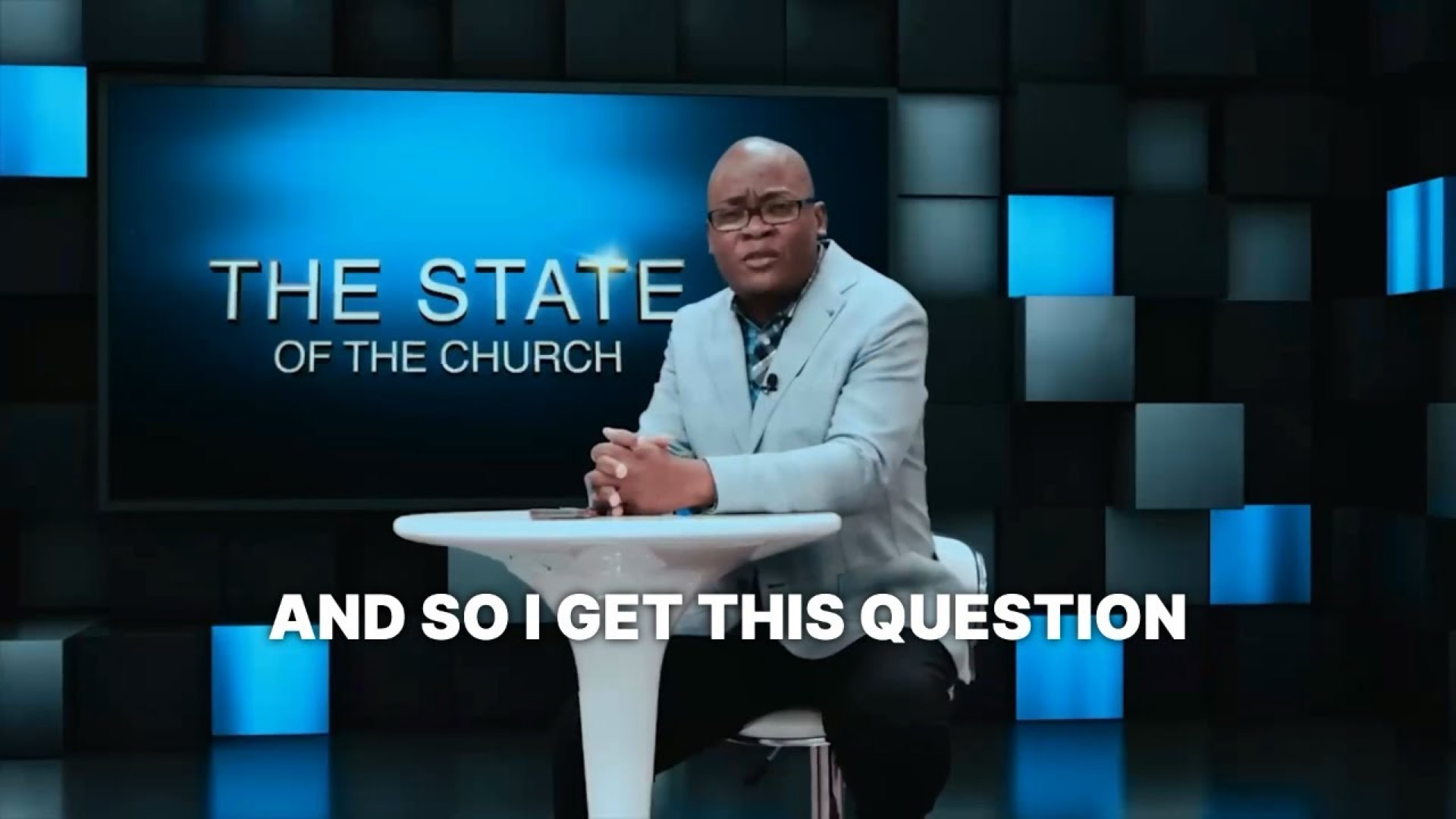
The speaker begins with a question many of us have quietly asked: What is going on with the church?
Scandals, failures, and confusion can feel especially loud when they happen in visible places, influential nations, or major church centers.
Yet the first comfort is this: God is not surprised.
What we are seeing is painful, but it is not new. Scripture has already shown us what happens when people drift from God’s ways.
God’s character has not shifted with the headlines.
What God warned then, He still warns now. What God loved then, He still loves now. What God calls His people back to, He still calls us back to today.
The speaker points to the book of Judges, where God’s people lived without true surrender to His rule.
Everyone followed what seemed right to them, and that same spirit still tempts us today.
This is not only a problem “out there.”
The church is made of people, and when people stop returning to God’s Word, we become vulnerable to the same confusion as the culture around us.
We can slowly stop asking, What has God said?
And instead we begin asking, What feels right to me?
That is a quiet but dangerous exchange.
The speaker then names another condition: captivity.
Just as Judah once found itself in Babylonian captivity after repeated warnings, the church can find itself in a kind of cultural captivity.
11 And Nebuchadnezzar king of Babylon came to the city while his servants were besieging it.
12 Jehoiachin king of Judah, his mother, his servants, his commanders, and his officials all surrendered to the king of Babylon. So in the eighth year of his reign, the king of Babylon took him captive.
13 As the LORD had declared, Nebuchadnezzar also carried off all the treasures from the house of the LORD and the royal palace, and he cut into pieces all the gold articles that Solomon king of Israel had made in the temple of the LORD.
14 He carried into exile all Jerusalem—all the commanders and mighty men of valor, all the craftsmen and metalsmiths—ten thousand captives in all. Only the poorest people of the land remained.
15 Nebuchadnezzar carried away Jehoiachin to Babylon, as well as the king’s mother, his wives, his officials, and the leading men of the land. He took them into exile from Jerusalem to Babylon.
16 The king of Babylon also brought into exile to Babylon all seven thousand men of valor and a thousand craftsmen and metalsmiths—all strong and fit for battle.
In the history of Israel’s kings, the “high places” often remained.
Leaders kept parts of worship that God had not blessed, and generation after generation failed to tear them down.
That image is sobering.
Today, a “high place” may look like a platform, a brand, an enterprise, or a personal kingdom that uses God’s language but is not truly submitted to God’s heart.
Lord, show me where I have called something Yours simply because I built it in Your name.
The way back is not complicated, but it is costly.
The speaker names the prophetic pattern as four movements: repent, return, renew, and restore.
Repentance is not punishment.
It is God’s mercy interrupting our self-deception and giving us a road home.
Sit with this for a moment:
Where have I drifted from obedience into what simply feels right, familiar, or successful?
Then comes the aching question: What should the righteous do?
When foundations feel shaken, when outsiders mock, when the church feels embarrassed by its own wounds, what does faithfulness look like?
The speaker’s answer is gentle but firm: take your cue from God.
Before reacting, defending, explaining, or panicking, ask what God Himself is doing in this moment.
He calls this an apocalypse, not only in the end-times sense, but in the older meaning of the word: an unveiling.
God is uncovering what was hidden.
Exposure is painful, but hidden sickness cannot be healed while it remains hidden.
The speaker then traces a pattern through church history.
Not as a rigid formula, but as an observation: again and again, God seems to visit His church, take inventory, and begin a work of cleansing and reform.
He begins with Pentecost, when the New Testament church was birthed by the Spirit of God.
The church did not begin as an institution protecting itself. It began as a people filled, gathered, and sent by God.
2 Suddenly a sound like a mighty rushing wind came from heaven and filled the whole house where they were sitting.
3 They saw tongues like flames of fire that separated and came to rest on each of them.
4 And they were all filled with the Holy Spirit and began to speak in other tongues as the Spirit enabled them.
About five centuries later, Rome trembled.
People thought the world was ending because the empire they trusted was falling. Yet God was still ruling history, and voices like Augustine reminded the church that the city of God is not the same as the city of man.
Another major rupture came with the East-West split of 1054.
The church fractured, and history shifted again. Even in division and confusion, God was not absent.
Then came a dark period when learning was scarce and Scripture was controlled by a priestly class.
Into that darkness, God stirred reform. Luther’s 95 Theses became one visible sign that God was confronting corruption and calling His church back.
The speaker believes we are living in another such moment.
A time when God is exposing what is false, toppling what is pretentious, and purging what cannot remain.
That can feel frightening if we confuse God’s kingdom with our favorite structures.
But if God is cleaning His house, the safest place to be is not in denial. It is in humility.
Lord, give me discernment to see Your hand at work, even when the moment feels chaotic. Keep me from defending what You are correcting. Keep me close enough to hear You say, “Return.”
So what do we do?
We do not rush to manage God’s reputation. We get out of God’s way, repent where we must, and stay tender to His will in this season.
Journal gently:
What might God be asking me to tear down, return from, or rebuild in truth?
Father, cleanse what needs cleansing, first in me. Give Your church courage to repent, humility to return, and faith to believe that renewal is possible. Do not let exposure make me cynical. Let it make me holy, honest, and near to You.
God is not finished with His church.
Even now, beneath the shaking, He is calling His people home.