
What Fasting Actually Does to Your Body
A medical perspective on intermittent fasting that honors the spiritual discipline while explaining the physiological benefits.
The early church fasted regularly. They did not have the science, but they had the experience: fasting clears the noise. It resets the body and sharpens the spirit. When Scripture and science agree, pay attention.
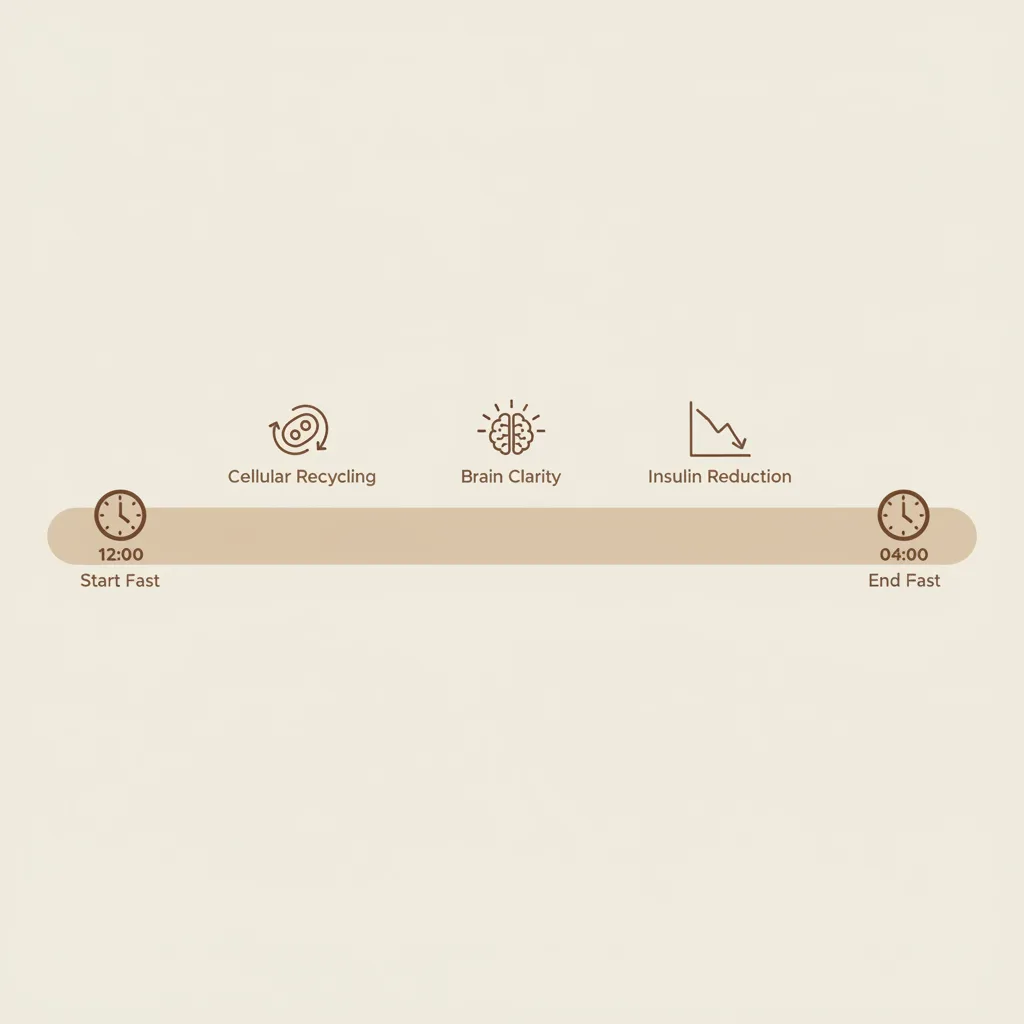
Hours 8-16: Metabolic shift. Glycogen stores deplete. Your body increases fat oxidation for fuel. Autophagy begins: your cells start recycling damaged components. This is the cellular "housekeeping" that researchers link to longevity and disease prevention.
17 But when you fast, anoint your head and wash your face,
18 so that your fasting will not be obvious to men, but only to your Father, who is unseen. And your Father, who sees what is done in secret, will reward you.
What Fasting Actually Does to Your Body
Jesus said "when you fast," not "if you fast." The spiritual discipline is ancient. The science behind it is finally catching up.
What Fasting Actually Does to Your Body Jesus said "when you fast," not "if you fast
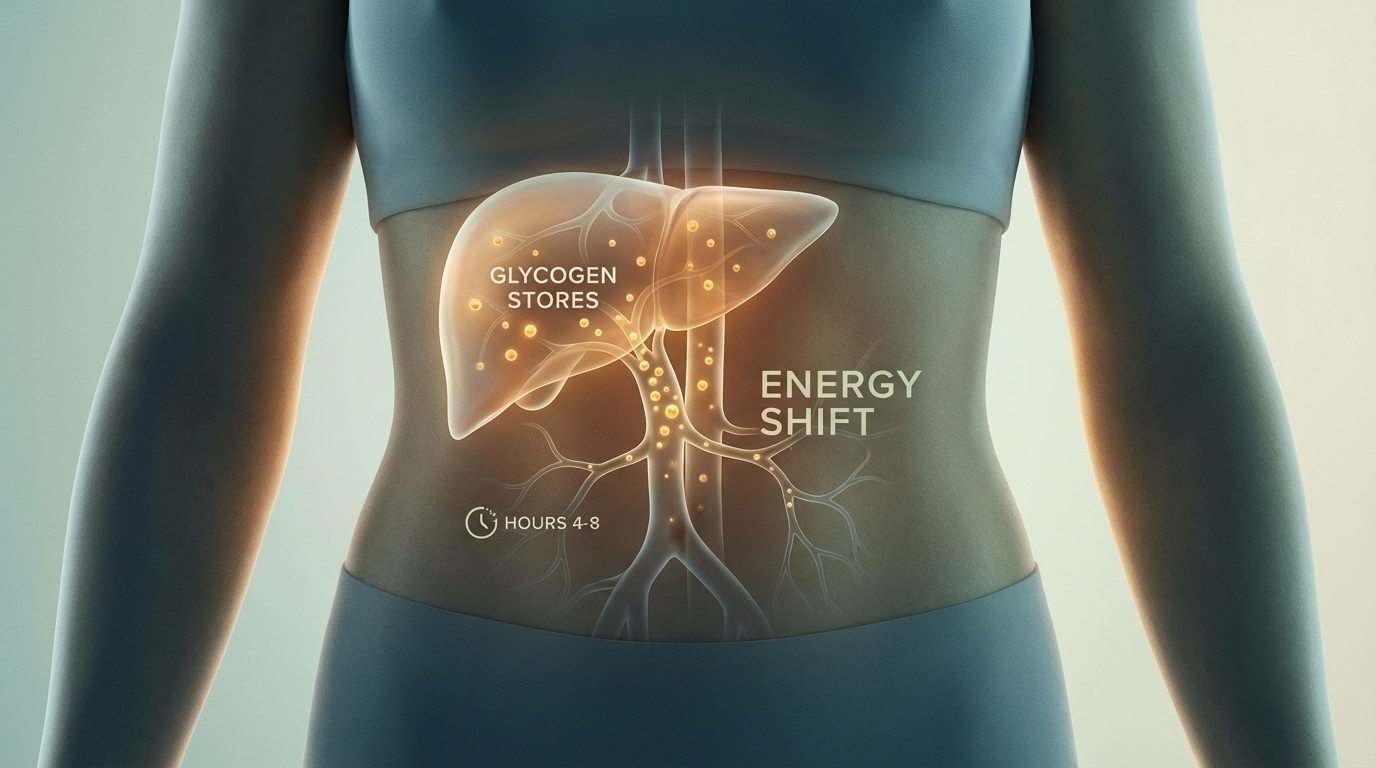
Hours 4-8: Early fasting. Blood sugar normalizes. Insulin drops. Your body begins shifting from glucose to stored glycogen for energy. Mental clarity often improves as blood sugar stabilizes.
Hours 16-24: Deep fasting. Autophagy accelerates. Human growth hormone can increase significantly. Inflammation markers often decrease. Your brain produces more BDNF (brain-derived neurotrophic factor), which supports cognitive function.
Hours 0-4: Digestion phase. Your body processes your last meal. Blood sugar rises, insulin is released, energy is readily available. Nothing unusual here.