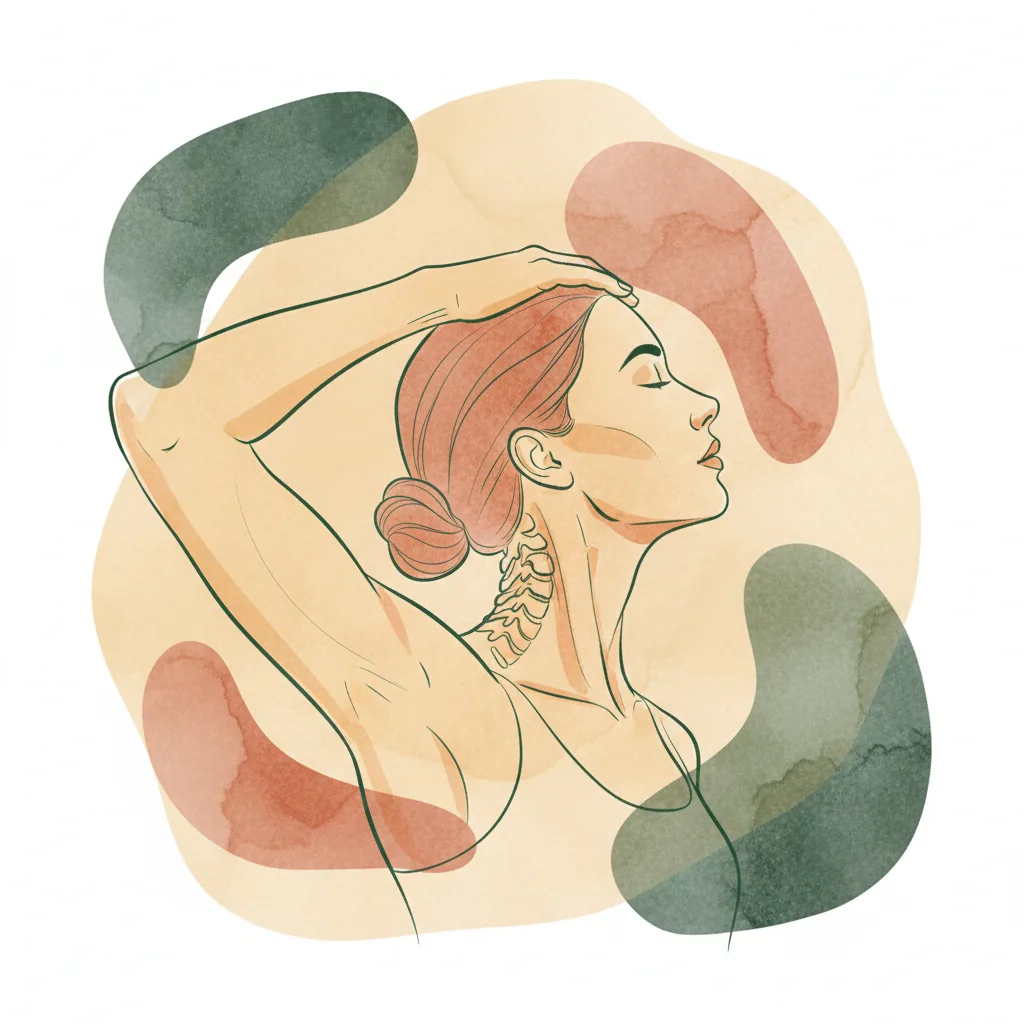

No-Nonsense Neck Fix: Move Smarter, Feel Better Daily
Tired of nagging neck pain? Dr. Miles Reynolds cuts through the noise with evidence-based strategies to optimize your neck health. Learn practical, no-nonsense movements and habits to prevent pain, improve posture, and enhance your daily comfort. Get real results for a resilient neck.
Neck pain isn't just an annoyance; it's a signal. In our modern, screen-centric world, poor neck posture and static positions have become epidemic. This deck isn't about quick fixes; it's about understanding the mechanics of your cervical spine and giving you the tools to build lasting resilience. We'll cut through the fluff and focus on practical, evidence-based strategies you can implement today to prevent pain and improve your quality of life.
Forward head posture is often demonized, but it's more complex than just 'bad posture.' While extremes are problematic, the real issue is lack of movement variety and sustained static positions. Your neck is designed to move in all directions. Spending hours fixed in one spot, even if seemingly 'good' posture, can be just as detrimental. We need to focus on dynamic stability, not just a static ideal.
Your neck comprises seven vertebrae (C1-C7), numerous muscles, ligaments, and nerves, all working in harmony. It's incredibly robust yet also vulnerable. Think of your head as a bowling ball weighing about 10-12 pounds. For every inch your head moves forward from your body's centerline, the effective weight on your neck muscles can double. Understanding this mechanical leverage is crucial for respecting your neck's limits.
Many people blame their neck for pain when the true culprit is often elsewhere: the upper back (thoracic spine). A stiff thoracic spine forces your neck to compensate, leading to overuse and strain. Improving your upper back mobility is a non-negotiable step for lasting neck health. If your thoracic spine can't extend or rotate well, your neck will pick up the slack, often painfully.
While an ergonomic desk setup is a great starting point, it's not a magic bullet. The best setup facilitates movement, rather than just supporting a static position. Ensure your screen is at eye level, your keyboard and mouse are close, and your feet are flat. But remember, even perfect ergonomics won't fix immobility. Use your setup as a platform for dynamic positioning, not a rigid constraint.
Endless stretching without active movement can sometimes do more harm than good, especially if not done correctly. If you're constantly stretching a 'tight' muscle, it might be tight because it's weak or overworked, not just 'short.' Focus on controlled, active ranges of motion and strengthening through those ranges, rather than just passively pulling on muscles.
The 'chin tuck' is arguably the most underrated neck exercise. It helps activate deep neck flexors and improves the head-on-neck relationship. Lie on your back or sit tall. Gently draw your chin back as if making a double chin, lengthening the back of your neck. Hold for a few seconds, relax. Repeat 10-15 times. This isn't about pushing your chin down, but sliding it horizontally.
To improve that vital thoracic mobility, try this: Lie on your back with a rolled towel or foam roller under your upper back, just below your neck. Support your head with your hands, then gently arch your upper back over the roller. Breathe deeply. This helps restore natural curvature and allows your neck to decompress.
Pain is complex, but it's a signal you shouldn't ignore. However, don't let every ache paralyze you. Learn to distinguish between 'good' discomfort (like muscle fatigue during exercise) and 'bad' pain (sharp, radiating, increasing with activity). If a movement increases your pain significantly or causes numbness/tingling, stop and consult a professional.
How you sleep significantly impacts neck health. Aim for a neutral spine. Back sleepers should use a thinner pillow that supports the curve of the neck without propping the head too high. Side sleepers need a thicker pillow to fill the gap between the head and shoulder, keeping the head aligned with the spine. Avoid stomach sleeping if possible, as it forces prolonged neck rotation.
The goal isn't to add an extra hour to your day for neck exercises. It's about seamlessly integrating micro-movements into your existing routine. Take stairs, park further away, stretch during commercial breaks, stand while on calls. These small, consistent changes build up to significant improvements over time. Consistency trumps intensity.
While this deck provides foundational tools, some conditions require professional assessment. If you experience severe, persistent, or worsening pain, numbness, tingling, weakness in your arms, or pain after trauma, don't self-diagnose. Seek guidance from a chiropractor, physical therapist, or medical doctor. Early intervention can make a significant difference.