
How to Keep Your Congregation Engaged During the Summer Slump
Every year the summer slump empties the pews, but attendance isn't the only way to stay connected. Here's how to keep your congregation engaged all summer long, even when they're miles from the building.
How to Keep Your Congregation Engaged During the Summer Slump
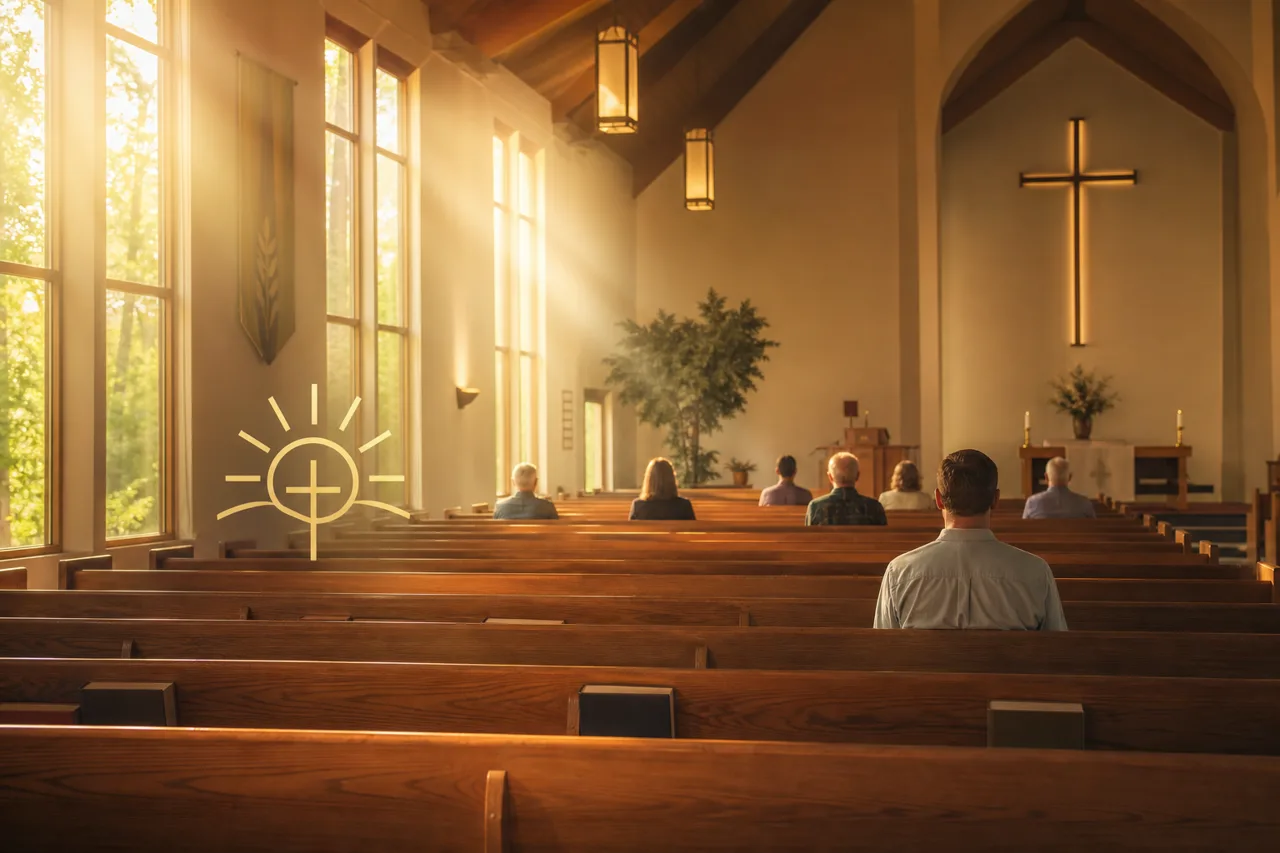
Every pastor knows the feeling of standing in the pulpit on a warm July Sunday and noticing the gaps in the pews. The regulars who never miss a service are suddenly at a lake house. The families you counted on for the nursery rotation are three states away on a road trip. The college students who filled the back rows have scattered home for the summer. It happens every year, and yet it still catches us off guard. The truth is that learning how to keep your congregation engaged during summer is one of the quiet challenges of ministry that nobody warns you about in seminary.
The numbers back up what you already feel. Lifeway Research has found that average Sunday attendance can drop by roughly a quarter in June and by a third in July compared to a church's peak months. Giving softens. Volunteer slots go unfilled. It is tempting to read all of this as a season simply to survive, to hold on until the rhythms of fall bring everyone back. But summer does not have to be a season of retreat. With a small shift in how we think about connection, these slower months can actually become some of the most fruitful weeks of the year.
Rethink What "Engaged" Actually Means
Part of the reason summer feels discouraging is that we measure engagement almost entirely by who is physically in the building on Sunday morning. That was a reasonable yardstick a generation ago, but it no longer reflects how most of your people experience faith. Recent research shows a widening gap between pastors and their congregations on this very question. Many pastors still define regular engagement as attending twice a month or more, while a majority of members feel that showing up once a month, combined with staying connected in between, is plenty to feel spiritually fed.
That gap is not a sign of a lukewarm church. It is a signal that our people are ready to stay connected in new ways, if we will meet them where they are. A father listening to last Sunday's message on his morning jog is engaged. A mom revisiting your sermon notes during a quiet moment at the campground is engaged. When we widen our definition of connection beyond the pew, the summer slump starts to look less like a loss and more like an invitation.
Extend the Sermon Beyond Sunday Morning
If your people cannot always come to the message, the message can go to them. One of the most encouraging trends in ministry right now is the idea of treating a sermon less like a one-time event and more like a seed that keeps producing fruit all week long. A single Sunday message contains enough substance to feed a dozen smaller moments of reflection, and summer is the perfect time to experiment with this.
Think about the person who was traveling last weekend. When they open their phone on Tuesday, could they find the heart of what you preached in a form they can actually absorb in five minutes? A short set of notes, a key passage, and one reflection question can carry the weight of the whole sermon. The goal is not to replace the gathered worship of the church but to keep the conversation alive in the spaces between Sundays, so that no one feels like they have fallen behind simply because they were away.
Lean Into Relationships Over Programs
Summer's slower pace is a gift disguised as a problem. During the busy fall and spring, ministry can become a machine of programs, events, and calendar slots. Summer strips some of that away, and what remains is the relational core of the church. This is the season to send the personal text, to share a meal on a back porch, to gather a handful of people in a living room rather than a classroom.
Smaller and more relational does not mean less spiritual. Some of the deepest discipleship happens around a dinner table or on a walk, not in a crowded sanctuary. Encourage your small group leaders to keep meeting informally through the summer, even if numbers are thin. Give your people simple tools to keep discussing the Sunday message on their own. When the structure loosens, connection can actually deepen, and people return in the fall feeling more known rather than more distant.
Make It Easy for People to Stay Connected
Here is the practical hurdle: staying connected over the summer requires almost no effort for your people and a little intentionality from you. If reconnecting with your church means digging through an email archive or hunting for a livestream link, most folks simply will not do it during vacation. But if this week's message lands in their hands in a clean, shareable format they can open on any device, engagement becomes effortless.
This is also where the omnichannel reality of modern ministry works in your favor. Your people already live on their phones, and a summer message that travels well can be forwarded to a friend, revisited on a flight, or read aloud to the kids at bedtime. The easier you make it to carry the message beyond the building, the more your congregation will surprise you with how engaged they remain, even from a beach chair.
A Simple Next Step
You do not need a new building program or a flashy campaign to survive the summer slump. You need to make connection easy, personal, and portable. Start with this Sunday's message and ask a simple question: how would someone who is out of town experience this? Tools like Epyst make it easy to turn your sermon notes into a shareable deck your congregation can open on any device, so the message you worked so hard on keeps ministering long after the benediction. Summer does not have to be the season you lose your people. With a little intention, it can be the season they discover that church was always meant to travel with them.